Drunken Noodles Near Me: The Ultimate Local Food Search Guide
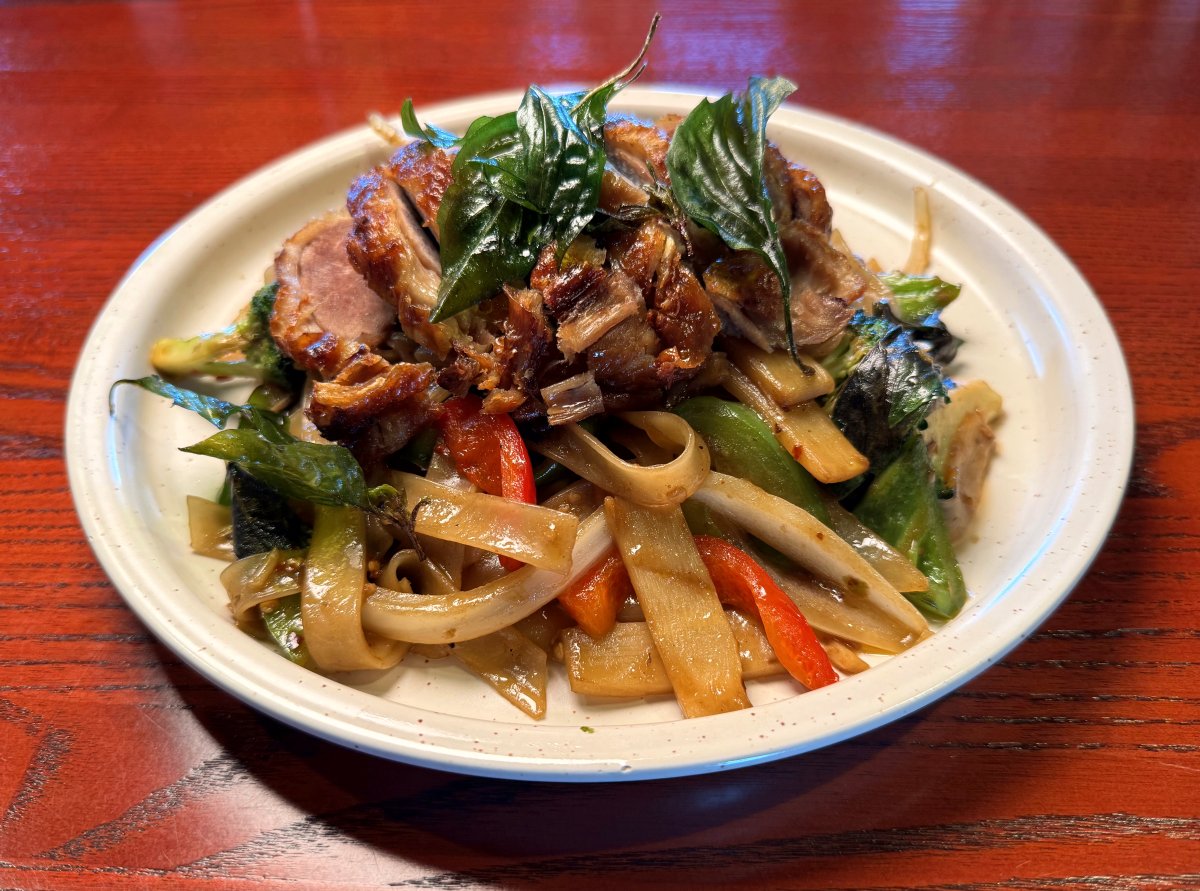
The search for great Thai food gets surprisingly specific once a craving takes hold. You are not looking for just any noodles. You want wide rice noodles with char at the edges, basil that still smells bright when the plate lands, enough heat to wake up the palate, and a sauce that clings instead of pooling. When people type “Drunken Noodles Near Me” into a search bar, that is usually what they mean. They are not hunting for a generic takeout option. They are trying to find a very particular experience, ideally nearby, ideally soon, and ideally worth repeating.
That sounds simple until you start comparing menus. One restaurant calls it pad kee mao. Another shortens it to drunken noodles. A third serves something that tastes closer to sweet soy stir-fry than the punchy, savory, spicy dish most regulars expect. Even within the same city, one kitchen leans smoky and peppery, while another pushes sweetness, and another sends out a bowl of slippery noodles that went soft in transit.
Finding a reliably excellent Drunken Noodle takes a little method. The good news is that it does not take insider access or a food critic’s schedule. A few smart checks can dramatically improve your odds, especially when you are deciding between five local Thai spots with similar ratings and nearly identical menu photos.
What drunken noodles should taste like
A solid search starts with knowing what you are actually looking for. Drunken noodles, commonly listed as pad kee mao, are usually made with broad rice noodles stir-fried over high heat with garlic, chilies, vegetables, basil, and a savory sauce built from soy-based seasonings. Protein varies. Chicken is common, beef shows up often, shrimp works well, and tofu can be excellent when the kitchen gives it enough browning.
The best versions balance several things at once. You should get chew from the noodles, not mush. You want a little wok char, because that subtle smokiness keeps the dish from tasting flat. Thai basil matters more than many diners realize. Without it, the dish loses its lift. Heat should be present, but it should not be one-dimensional. A good plate tastes spicy, savory, slightly sweet, aromatic, and deeply cooked all at once.
That is why the phrase Drunken Noodle means more than a menu label. It signals a dish that depends heavily on timing, pan heat, and ingredient handling. A kitchen can serve a beautiful curry and still send out mediocre noodles if the wok station is backed up or if the takeout process is sloppy. This is one of those meals where execution shows immediately.
Why local search results can be misleading
Maps apps are useful, but they are blunt instruments. They prioritize proximity, advertising, review volume, and broad popularity. That can help if you simply need food fast. It is less helpful if you want the kind of drunken noodles people remember and reorder.
A restaurant with 4.7 stars might still disappoint for a few common reasons. First, many reviews reflect a whole menu, not this specific dish. A place may earn loyal customers for pad thai, mango sticky rice, or friendly service, while the drunken noodles remain average. Second, menu photos often come from years ago, before a recipe change, chef turnover, or inflation-driven portion cuts. Third, local results frequently surface restaurants that serve “Thai and sushi” or “Asian fusion” menus broad enough to dilute attention. Some mixed-menu spots do excellent work, but many spread themselves thin.
I have seen this play out in nearly every major metro area. One tiny neighborhood restaurant with plain branding and a dated website turns out to make phenomenal noodles because the wok cook has touch and consistency. Two blocks away, a trendier room with polished marketing delivers a sweeter, softer version designed for broad appeal. Search engines do not always know the difference.
How to read a Thai menu like someone who orders well
Menus reveal more than most people think. If a restaurant lists pad kee mao by its Thai name and also describes it clearly, that is often a good sign. It suggests some care in naming and presentation. If the menu includes spice-level customization, ask yourself whether that flexibility sounds thoughtful or generic. “Mild, medium, hot” is common. Better menus often hint at style through language such as fresh basil, chili-garlic sauce, broad rice noodles, or wok stir-fried.
Breadth can also tell you something. A menu with fifty unrelated items may not be a deal-breaker, but focus helps. A Thai kitchen that covers core noodle dishes, curries, a few soups, and salads often has a better chance of turning out a strong Drunken Noodle than a place trying to execute Thai, Japanese, Chinese, poke, boba, and burgers under one roof.
Look for neighboring dishes too. If the restaurant offers pad see ew, pad woon sen, and basil stir-fries, there is a fair chance the wok station is active and practiced. When drunken noodles appear as a lonely afterthought in a giant miscellaneous menu, caution is reasonable.
Photos matter, but not in the way people assume. A good photo should show wide noodles with visible basil, chilies or chili flecks, onions or vegetables with some structure left, and sauce that looks glossy rather than watery. If everything in the image appears uniformly dark brown and limp, that usually predicts a heavy hand with sauce and oversteamed noodles.
Reviews that actually help
The most useful reviews mention texture, heat, and consistency. “Amazing food” tells you almost nothing. “The noodles had great char and stayed chewy even in takeout” tells you plenty. Search within reviews for terms like pad kee mao, drunken noodles, basil, spicy, wok, chewy, or soggy. That kind of filtering is often more valuable than the star average itself.
Recency matters. A glowing review from three years ago can be irrelevant if a restaurant changed owners or moved locations. I usually trust patterns that appear across the past three to six months. If several recent reviewers mention blandness, excessive sweetness, long pickup delays, or reduced portions, take that seriously. Noodle dishes are sensitive to timing, so repeated complaints about slow service can directly affect quality.
There is also value in reading the negative reviews with a calm eye. People get dramatic about spice. One diner’s “too hot to eat” can mean the kitchen finally took the chili request seriously. But if multiple reviewers complain that the noodles were clumped, greasy, or broken apart, that points to technique problems rather than preference.
One small but revealing detail is whether people mention returning for the same dish. A review that says, “I always get the drunken noodles here,” carries more weight than a one-time first impression.
The role of distance, traffic, and takeout timing
Drunken noodles are best when eaten quickly. They can travel, but they do not always travel gracefully. Freshly stir-fried rice noodles continue steaming in a closed container, which can soften them on the ride home. Basil loses some of its perfume. Vegetables that were crisp-tender at pickup can slump fifteen minutes later.
That means the “near me” part of the search matters more for this dish than for, say, a braised curry or fried rice. A restaurant ten minutes away may produce a better at-home result than a superior restaurant thirty minutes away, especially during cold weather or heavy traffic. If you plan to order delivery, be realistic. A very good Drunken Noodle can become merely decent after a long trip in the back seat of a car.
When possible, pickup beats third-party delivery. The difference is not always dramatic, but it is often noticeable. You control timing, you can head straight home, and the food avoids one extra stop. If dining in is an option, that is usually the best environment for judging whether a place truly nails the dish.
What to ask before you order
A quick phone call can answer more than ten minutes of scrolling. You do not need to interrogate the staff. One or two practical questions are enough. Ask whether the drunken noodles use wide rice noodles and basil. If spice level matters, ask how their medium compares to other local Thai spots. If you are ordering late, ask how busy the kitchen is. A backed-up wok station can turn a normally strong dish into a rushed one.
There is also no shame in asking whether the dish tends sweet or spicy. Different regional influences and house styles lead to real variation. Some kitchens make a lighter, more herb-forward version. Others push dark soy and sweetness. Neither is inherently wrong, but one may fit your craving better.
If you are vegetarian or gluten-sensitive, ask carefully. Some sauces and seasonings vary by kitchen. Tofu preparation also differs a lot. A good Thai restaurant can make excellent tofu drunken noodles, but at weaker spots the tofu arrives pale, soft, or waterlogged, which dilutes the whole plate.
Signals that a restaurant takes noodle dishes seriously
Once you have eaten enough versions, certain clues start standing out. Restaurants that care about their noodle program often move with confidence at the wok station. You can smell garlic and chili in the room. Plates arrive hot, not just warm. Noodles are coated but not drowned. Vegetables remain distinct. Basil reads as an ingredient, not a garnish tossed on top at the last second.
Portion size is another clue, though not in the obvious way. Bigger is not always better. An oversized container packed too tightly can mean the dish was made to look generous at the expense of texture. A more moderate portion, properly cooked, often eats better. I would take twelve well-charred ounces over a giant clamshell of soft noodles every time.
House consistency is the More help gold standard. The first order can be great by luck. The second and third orders reveal whether the kitchen knows what it is doing.
Common disappointments, and what they usually mean
When drunken noodles miss, the problem is usually visible on the plate. If the noodles are broken into short pieces, they may have been handled roughly or overworked. If they are gummy and stick together in a dense mass, they likely sat too long after cooking or absorbed too much steam in the container. If the dish tastes mostly sweet, the kitchen may be compensating for a lack of wok depth with sauce. If there is almost no basil aroma, either the herb was skimpy or it hit the heat too early and disappeared.
Greasiness is another issue. A little sheen is normal. A puddle at the bottom is not. Excess oil often comes from a rushed stir-fry with insufficient heat, where the ingredients steam and soak rather than sear.
Under-spicing can be frustrating, but it is easier to fix than poor texture. If a good restaurant plays it safe, you can usually ask for extra spice next time. Mushy noodles are harder to forgive, because that points to process.
Best times to order for the strongest result
Timing affects quality more than many diners realize. A restaurant can make your favorite dish beautifully at 6:00 p.m. And struggle with it at 7:30 p.m. When tickets stack up. Peak rush hours stress the wok line. For dishes that depend on fast, high-heat cooking, that matters.
If you have flexibility, aim slightly before or after the main dinner surge. Late lunch and early dinner can be sweet spots. You get a kitchen that is active enough to be in rhythm, but not so overloaded that your noodles sit. Weather can also influence the experience. A rainy Friday night with heavy delivery demand is not the moment to judge a new place too harshly on takeout texture.
Weekdays often produce a more reliable pickup than Saturday nights. It is not glamorous advice, but it works.
How spice level changes the dish
People often treat spice as a side decision, but with drunken noodles it shapes the whole profile. Too little heat and the sauce can seem heavier than it really is. Too much and you lose the basil, garlic, and smokiness behind a wall of fire.
At a new restaurant, medium or medium-hot is usually the smartest test order unless you already know the kitchen’s scale. Some places translate “Thai hot” into a serious warning. Others barely nudge past mild. The right level is the one that sharpens the dish without flattening its details.
If you are ordering with a group, it helps to know that spice can travel strangely. A dish that tastes balanced straight from the wok may feel hotter after ten minutes in a sealed container, as the aromatics concentrate. That is another reason dine-in gives the clearest read.
Regional style, house style, and why your favorite version may be specific
There is no single universal blueprint for drunken noodles. Recipes shift by cook, restaurant, and region. Some use baby corn or broccoli. Some lean into onion and bell pepper. Some keep the sauce lighter and sharper. Others deliver darker, richer noodles with a little sweetness. You may love one version and dislike another without either being objectively wrong.
That is worth remembering when a local spot earns rave reviews but leaves you cold. The issue may be fit, not quality. A person who wants strong basil, strong heat, and visible wok char may not love a softer, sweeter house style even if the restaurant executes it consistently. That is why searching “Drunken Noodles Near Me” works best when you treat it as a search for your preferred version, not a mythical standard dish that every kitchen interprets identically.
A practical way to compare local spots
If you are serious about finding your go-to place, compare restaurants with the same order conditions. Try pickup rather than delivery for the first test. Order the same protein, the same spice level, and roughly the same time of day. Keep the distance similar if possible. That removes a lot of noise.
Pay attention to four things on first bite: noodle texture, basil presence, heat balance, and wok flavor. Then consider how the dish holds up over the next ten minutes. Some versions impress immediately but turn oily or clumpy fast. Others stay balanced and pleasant the whole meal. Longevity counts, especially if you often order takeout.
You do not need to turn dinner into a formal scorecard. A simple mental note works. Which one made you want another bite right away? Which one tasted alive? Which one felt cooked for a person rather than assembled for a ticket queue? The answer is usually obvious.
When fusion versions are worth a try
Purists sometimes dismiss fusion Thai spots too quickly. That is understandable, because broad menus can produce bland compromises. Still, a creative kitchen can make an excellent Drunken Noodle if the fundamentals are there. I have had strong versions with smoked brisket, seared seafood, or extra vegetables that worked because the noodles, basil, and wok heat were still doing the heavy lifting.
The test is whether the additions support the dish or distract from it. If the menu reads like a stunt, skip it. If it looks like a kitchen using solid technique with a few smart variations, it may be worth a shot. The best local food searching stays open-minded without becoming gullible.
Price, portion, and value
Depending on your city, drunken noodles may run anywhere from about $12 to over $20 before tax and fees. Urban centers, premium proteins, and delivery apps push the total higher fast. Value should not be judged only by container size. A cheaper order that arrives gummy is no bargain. A slightly pricier one with better noodles, fresher basil, and cleaner flavor often saves you from chasing a second meal an hour later.
Watch the add-on trap. Extra protein, extra vegetables, and app-based service fees can turn a casual noodle order into a surprisingly expensive dinner. If budget matters, pickup and house protein choices usually deliver the best balance.
The small habits that improve your odds every time
Most people who regularly find great local food are not luckier. They just pay attention to the right details and repeat what works. They notice whether a place packs sauces separately, whether pickup times are accurate, whether weekday orders arrive better than weekend ones, and whether a restaurant excels at wok dishes or only one or two items.
A short routine helps:
- Search for “Drunken Noodles Near Me” in maps and review apps, but do not stop at star ratings.
- Read recent reviews that mention pad kee mao or drunken noodles specifically.
- Check menu language and dish photos for signs of wide noodles, basil, and balanced sauce.
- Choose pickup when possible, especially if the restaurant is more than fifteen minutes away.
- Reorder from the places that stay consistent, not just the ones that impressed you once.
That may sound obvious, but it is the difference between random takeout roulette and actually building a shortlist of dependable local restaurants.
Finding your go-to spot is part taste, part method
There is a reason this dish inspires repeat searches. Good drunken noodles satisfy in a way that is hard to fake. They are fast, hot, aromatic, substantial, and complex without being fussy. But that same immediacy makes them vulnerable to weak technique and poor travel conditions. A map can point you toward nearby options. It cannot tell you which kitchen respects the dish.
The real edge comes from combining search tools with food judgment. Know what the dish should taste like. Read reviews for substance, not hype. Consider travel time. Understand the house style you prefer. Then give the best candidates a fair test under similar conditions.
Do that a few times and the phrase “Drunken Noodles Near Me” stops being a vague craving search. It becomes a reliable route to a local favorite, the kind of place you recommend without hesitation because you have done the trial, made the comparisons, and found the plate that gets it right.
Nakhon Luang Thai Kitchen
Address: 805 Village Center Dr, Colorado Springs, CO 80919
Phone number: +17195315175
FAQ About Drunken Noodles Near Me
What makes it drunken noodles?
Drunken noodles, or Pad Kee Mao, get their name from the Thai word khi mao (meaning "drunkard"). They contain no alcohol. The name comes from the idea that the dish is a popular late-night meal to cure a hangover or a great food to eat with a cold beer.
What is the difference between pad see ew and drunken noodles?
While both Pad See Ew and Drunken Noodles use the same wide rice noodles, Pad See Ew is a mild, sweet-savory dish made with dark soy sauce and Chinese broccoli, whereas Drunken Noodles (Pad Kee Mao) are fiery, garlicky, and herbaceous with fresh chilies and Thai basil.
What are traditional drunken noodles?
Traditional drunken noodles, known as Pad Kee Mao in Thai, are a fiery, savory street food stir-fry made with wide flat rice noodles, fresh garlic, lots of hot chilies, meat or tofu, and fragrant holy basil. Despite the name, they contain no alcohol; the dish is traditionally eaten late at night or as a hangover cure because the intense spice helps clear the head.